
What Maintenance Does a High-Shear Dry Extruder Require?
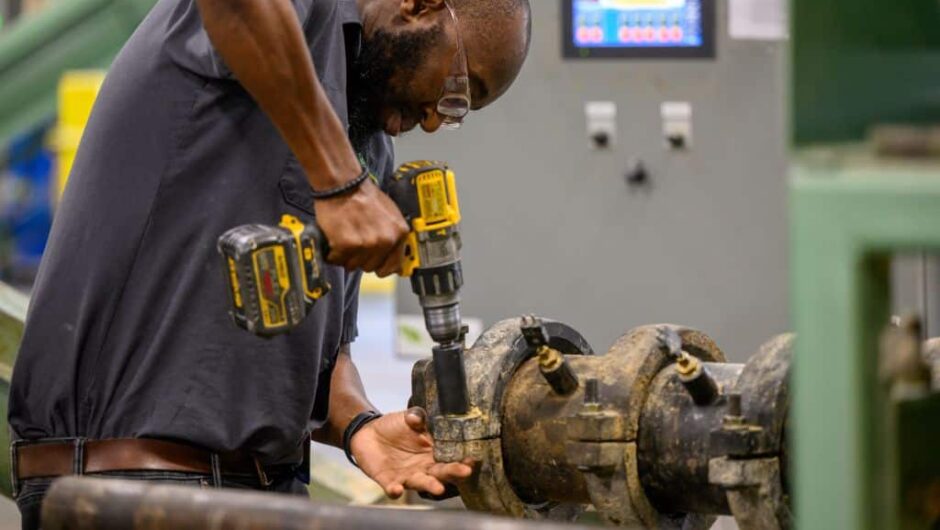
Investing in a high-shear dry extrusion system is a significant decision, but the value of the equipment doesn’t stop once it is installed. Proper maintenance is essential for keeping an extruder operating efficiently, producing a consistent product, and minimizing unexpected downtime.
High-shear dry extrusion places significant mechanical demands on equipment. Screws, barrels, bearings, drive components, and other wear parts operate under pressure and friction every day. Over time, these components naturally experience wear. A proactive maintenance program can help processors extend equipment life, protect product quality, and maintain production capacity.
Why Is Extruder Maintenance So Important?
An extruder is a critical part of the processing system. If it stops operating, production can stop with it. Regular maintenance helps processors:
- Reduce unexpected downtime.
- Maintain consistent processing conditions.
- Protect product quality.
- Extend equipment life.
- Identify wear before it becomes a major failure.
- Reduce emergency repair costs.
Maintenance is therefore more than an equipment expense. It is part of protecting the overall economics of the processing operation.
Which Parts of an Extruder Experience the Most Wear?
Components exposed to continuous friction and material movement naturally experience the most wear. Depending on the equipment and application, these can include:
- Screws and screw elements.
- Barrel components.
- Die components.
- Bearings.
- Seals.
- Drive components.
Wear rates depend on the material being processed, throughput, operating conditions, and total hours of operation. Regular inspections allow operators to identify wear before it begins affecting throughput or product quality.
What Are the Signs That an Extruder Needs Maintenance?
Changes in equipment performance can provide early warning signs. Operators should monitor:
- Motor load.
- Unusual vibration or sounds.
- Changes in throughput.
- Product appearance.
- Processing temperature.
- Energy consumption.
- Difficulty maintaining normal operating conditions.
- Changes in oil recovery when extrusion is part of an oil-extraction system.
A single unusual reading may not indicate a major problem, but a trend should be investigated. Early detection can turn an unexpected failure into a planned maintenance event.
How Does Screw and Barrel Wear Affect Performance?
The screw and barrel work together to convey and process material. As these components wear, the geometry of the processing system can change. In soybean processing, changes in extrusion performance can also affect downstream oil pressing and the characteristics of the finished meal.
Can Proper Maintenance Extend Equipment Life?
Yes, preventive maintenance can’t eliminate wear, but it can help prevent minor issues from becoming major equipment failures.
Identifying worn components early allows processors to replace them during scheduled downtime instead of waiting for a failure during production. Proper operation is equally important. Running equipment outside recommended conditions can accelerate wear and place unnecessary stress on mechanical components.
Does Maintenance Affect Product Quality?
Absolutely. The condition of the extruder can influence the consistency of the processing environment.
Maintaining the equipment helps ensure consistency in:
- Processing temperature.
- Mechanical shear.
- Residence time.
- Throughput.
- Product characteristics.
This is particularly important when producing full-fat soy or ExPress® soy meal, where consistent processing contributes to predictable nutritional characteristics. Equipment maintenance is therefore also quality control.
How Can Preventive Maintenance Reduce Downtime?
Preventive maintenance allows processors to address predictable wear during scheduled downtime rather than waiting for an unexpected failure.
An example of a maintenance routine can include but is not limited to:
- Daily: Check operating conditions, unusual sounds, vibration, temperature, and other performance indicators.
- Regularly: Inspect wear components, lubrication points, drives, seals, and other critical components according to manufacturer recommendations.
- Periodically: Conduct comprehensive inspections and replace components approaching the end of their useful service life.
The exact schedule should follow the equipment manufacturer’s recommendations and be adjusted based on actual operating conditions.
Key Takeaway
Maintaining a high-shear dry extruder isn’t simply about fixing equipment when something breaks. Preventive maintenance protects uptime, product consistency, equipment life, and profitability.
Regular inspections, proper operating procedures, durable wear components, and timely replacement of worn parts can help processors avoid unnecessary downtime and maintain the processing conditions required for consistent soybean ingredients.
For more detailed information on our equipment, be sure to reach out to our Technical Services Director, Kinoti Kaburu, or existing customers can access detailed equipment service resources on our Customer Portal