
How Can You Tell If Your Soybeans Are Properly Processed?
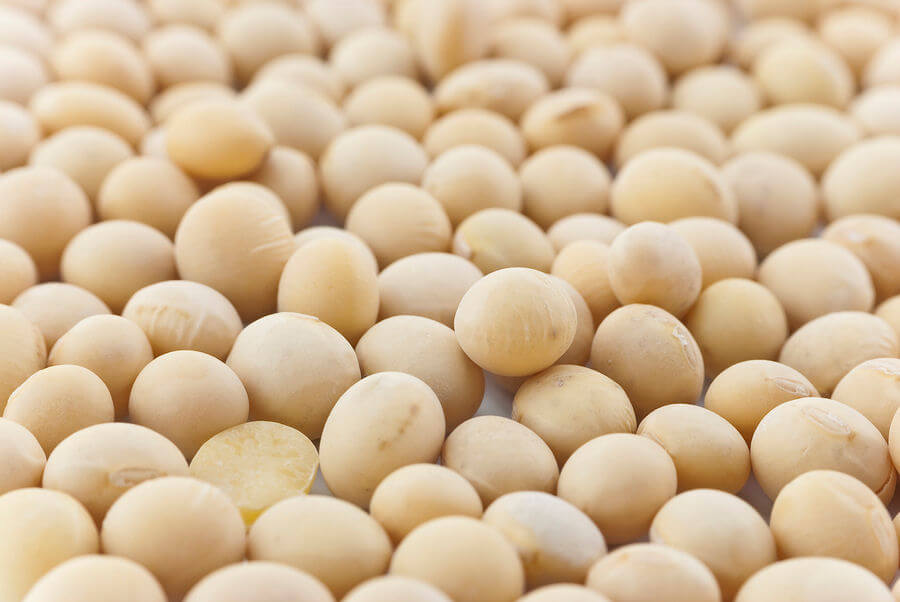
Proper soybean processing isn’t determined by appearance alone. Under processed soybeans can contain anti-nutritional factors that limit animal performance, while overprocessed soybeans can damage valuable proteins and amino acids. The key is achieving the right balance and verifying it through quality testing.
Why Is Proper Soybean Processing So Important?
Raw soybeans naturally contain compounds that interfere with digestion and nutrient utilization. Processing is essential to deactivate these anti-nutritional factors and make nutrients available to the animal.
However, processing is a balancing act.
- Under processing leaves anti-nutritional factors active, reducing protein digestibility and animal performance.
- Overprocessing exposes proteins to excessive heat, reducing amino acid availability and nutritional value.
What Are Anti-Nutritional Factors?
Anti-nutritional factors are naturally occurring compounds that reduce the nutritional value of raw soybeans.
The most significant include:
- Trypsin inhibitors, which interfere with protein digestion.
- Lectins, which can affect intestinal health.
- Urease, an enzyme commonly used as an indicator of processing adequacy.
- Lipoxygenase, an enzyme that contributes to oxidation and off-flavors in soy products.
High-shear dry extrusion effectively deactivates these compounds through the combination of heat, pressure, and mechanical shear.
What Is Urease Activity?
Urease activity is one of the most widely used quality control tests for soybean processing.
Because urease is destroyed at approximately the same rate as trypsin inhibitors, measuring urease activity provides a quick indication of whether soybeans have received sufficient heat treatment.
A properly processed soybean product will have low urease activity, indicating that anti-nutritional factors have been effectively deactivated.
While urease activity is a useful screening tool, it should not be the only measurement used to evaluate processing quality.
What Is Protein Dispersibility Index (PDI)?
Protein Dispersibility Index (PDI) measures the solubility of soybean protein after processing. This helps determine whether soybeans have been overprocessed, under processed, or properly processed. A PDI value that is too high may indicate insufficient heat treatment, while a value that is too low can suggest excessive heat damage.
Maintaining an appropriate PDI helps ensure proteins remain highly digestible while anti-nutritional factors are effectively neutralized.
What Happens If Soybeans Are Under processed?
Under processed soybeans retain active anti-nutritional factors that reduce nutrient utilization.
Potential consequences include:
- Reduced protein digestibility.
- Lower feed efficiency.
- Poor weight gain.
- Reduced milk or egg production.
- Greater nutrient variability between batches.
Even if the soybean meal has an acceptable protein percentage, animals may not be able to fully utilize those nutrients.
What Happens If Soybeans Are Overprocessed?
Applying excessive heat can be just as harmful as inadequate processing.
Overprocessing may result in:
- Reduced lysine availability.
- Lower amino acid digestibility.
- Heat-damaged proteins.
- Decreased energy utilization.
- Reduced animal performance.
This is why processing time is just as important as processing temperature. High-shear dry extrusion’s short residence time helps minimize heat damage while still effectively deactivating anti-nutritional factors.
What Other Quality Tests Should Processors Use?
In addition to urease activity and PDI, processors often evaluate several other indicators to monitor soybean quality.
These may include:
1. Trypsin Inhibitor Activity (TIA)
- Measures the amount of active trypsin inhibitors remaining after processing and provides a direct assessment of anti-nutritional factor destruction.
2. Moisture Content
- Maintaining proper moisture improves storage stability and processing consistency.
3. Oil Content
- For mechanically extracted soybean meal, residual oil levels help verify efficient oil recovery and consistent product quality.
4. Amino Acid Analysis
- Confirms that valuable amino acids have been preserved during processing.
Using multiple quality measurements provides a more complete picture of processing performance than relying on a single test.
How Does High-Shear Dry Extrusion Help Maintain Consistent Quality?
Consistency is one of the greatest advantages of HSDE.
Because heat is generated through controlled friction and mechanical shear, processors can achieve:
- Uniform cooking throughout the product.
- Effective deactivation of anti-nutritional factors.
- Minimal heat damage.
- Repeatable product quality from batch to batch.
This consistency gives nutritionists greater confidence when formulating diets and helps producers achieve more predictable animal performance.
Why Does Quality Control Matter?
Even small differences in soybean processing can affect feed performance across thousands of animals.
Routine quality testing helps processors:
- Verify proper equipment operation.
- Detect processing issues early.
- Maintain customer confidence.
- Deliver consistent nutritional value.
- Maximize the return on every bushel of soybeans.
For feed manufacturers and livestock producers alike, quality control is an investment in better animal performance and long-term profitability.
Key Takeaway
By routinely monitoring indicators such as urease activity, Protein Dispersibility Index (PDI), trypsin inhibitor activity, and residual oil, processors can ensure every batch delivers the consistent, high-quality nutrition that livestock producers expect.
Want to learn more? Reach out to a member of our nutrition team at nutrition@insta-pro.com for more information.