
How Is High-Shear Dry Extrusion Different From Other Soybean Processing Methods?
Soybeans can be processed using a variety of technologies, including roasting, toasting, expansion, solvent extraction, and extrusion. While each method has its place, processing conditions can influence protein quality, amino acid availability, energy value, oil recovery, and the overall nutritional characteristics of the final ingredient.
We’ll answer some of the most common questions about what makes HSDE different and why processing technology matters when producing high-quality soybean ingredients.
What Makes High-Shear Dry Extrusion Different From Other Processing Methods?
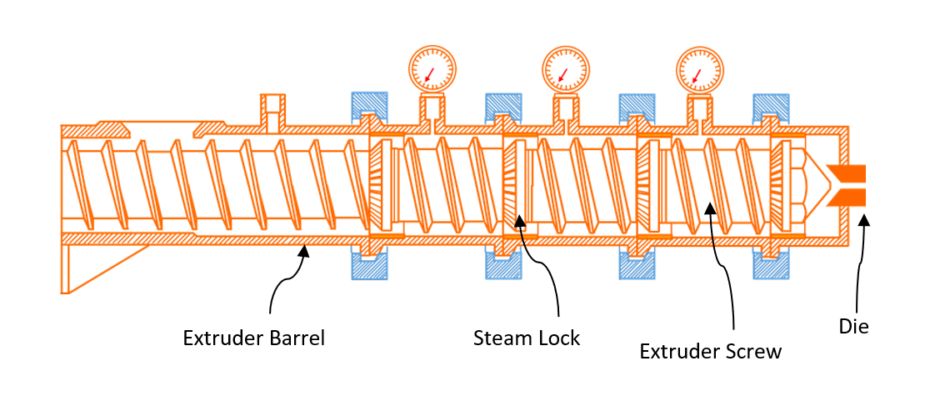
High-shear dry extrusion stands apart because it combines intense mechanical shear, pressure, and heat in a short processing time. Rather than relying primarily on an external heat source, HSDE generates heat through mechanical energy as soybeans move through the extruder.
This combination allows processors to rapidly cook soybeans while effectively reducing anti-nutritional factors and preparing the material for further processing, such as mechanical oil extraction.
How Does High-Shear Dry Extrusion Affect Amino Acid Digestibility?
Protein quality isn’t determined solely by the amount of crude protein in an ingredient. It also depends on how effectively animals can digest and utilize its amino acids.
Processing plays an important role in this equation. Properly controlled HSDE combines heat, pressure, and mechanical shear to deactivate anti-nutritional factors while helping preserve protein quality.
Research on soybean processing has demonstrated that processing methods can influence amino acid digestibility, reinforcing the importance of processing conditions when evaluating soybean ingredients.
What Happens to Anti-Nutritional Factors During HSDE?
Raw soybeans naturally contain compounds that can interfere with digestion and nutrient utilization. The most important include trypsin inhibitors and lectins.
Trypsin inhibitors are particularly important because they interfere with enzymes responsible for protein digestion. If these compounds remain active, animals may not be able to utilize soybean protein efficiently. The combination of temperature, pressure, and mechanical shear during HSDE helps deactivate these anti-nutritional factors.
Proper processing creates the desired balance:
- Anti-nutritional factors are reduced.
- Protein quality is maintained.
- Amino acids remain available for digestion.
The finished ingredient is more suitable for animal diets. This is one reason that processing conditions must be carefully controlled. Both insufficient and excessive processing can negatively affect nutritional value.
Why Does Energy Availability Matter?
Energy is one of the most important components of any animal diet.
Soybeans naturally contain both protein and oil, making them a valuable source of dietary energy. High-shear dry extrusion disrupts the physical structure of the soybean, helping make nutrients more accessible during digestion.
When HSDE is followed by mechanical oil extraction, the resulting ExPress® soy meal retains a portion of the soybean’s natural oil. This residual oil contributes additional energy to the finished feed ingredient.
For nutritionists, that means ExPress® soy meal can contribute both high-quality protein and dietary energy, providing additional flexibility when formulating diets.
Does HSDE Improve Oil Availability?
Yes. One of the important effects of extrusion is the disruption of soybean cell structures.
Inside an untreated soybean, oil is contained within cells and structures that limit its accessibility. During HSDE, mechanical shear and pressure break down these structures and prepare the soybean for efficient mechanical pressing.
When extrusion is followed by an oil press:
- Soybeans enter the extruder.
- Mechanical energy rapidly heats and conditions the material.
- Cell structures are disrupted.
- The prepared soybean material enters the mechanical press.
- Oil is separated mechanically.
- The resulting meal retains valuable residual oil.
This combination is the foundation of the Insta-Pro’s ExPress® process.
Why Does Processing Time Matter?
Excessive heat exposure can damage proteins and reduce the availability of certain amino acids. Insufficient processing, on the other hand, may leave anti-nutritional factors at undesirable levels.
HSDE uses a short processing time combined with high mechanical energy. This allows the soybean to reach the necessary processing temperature quickly rather than relying on extended heating.
How Does Processing Affect the Final Soybean Ingredient?
The processing method ultimately determines more than just the appearance of the finished product:
- Improved protein digestibility.
- Improved amino acid availability.
- Thorough deactivation of anti-nutritional factor activity.
- Improved energy contribution.
- Improved Physical characteristics.
- Extended storage and handling properties.
- Overall ingredient market value.
This is why soybean processors should consider the entire process, from raw soybean quality through extrusion, oil extraction, quality testing, and final feed formulation.
Why Does Processing Technology Matter to Feed Manufacturers?
For feed manufacturers, the value of a soybean ingredient comes from what the animal can actually utilize, not only what is listed on a feed analysis. A consistent processing system can help nutritionists formulate with greater confidence because they know the ingredient’s nutritional characteristics are more predictable.
For processors, the right technology can also create additional revenue opportunities by producing multiple valuable products from the same soybean.
With the ExPress® process, for example, a processor can produce:
- Extruded full-fat soybean meal
- Mechanically extracted soybean oil.
- ExPress® soy meal containing residual oil.
This allows the processor to capture value from both the protein and oil components of the soybean.
Key Takeaway
High-shear dry extrusion is different from other soybean processing methods because it combines high mechanical shear, pressure, and heat in a short processing time. This controlled processing helps reduce anti-nutritional factors, preserve protein quality, and prepare soybeans for efficient mechanical oil extraction.
For more detailed information on the benefits of high-shear dry extrusion processing, please reach out to a member of our team.