
The Many Uses of Textured Soy Protein Around the Globe
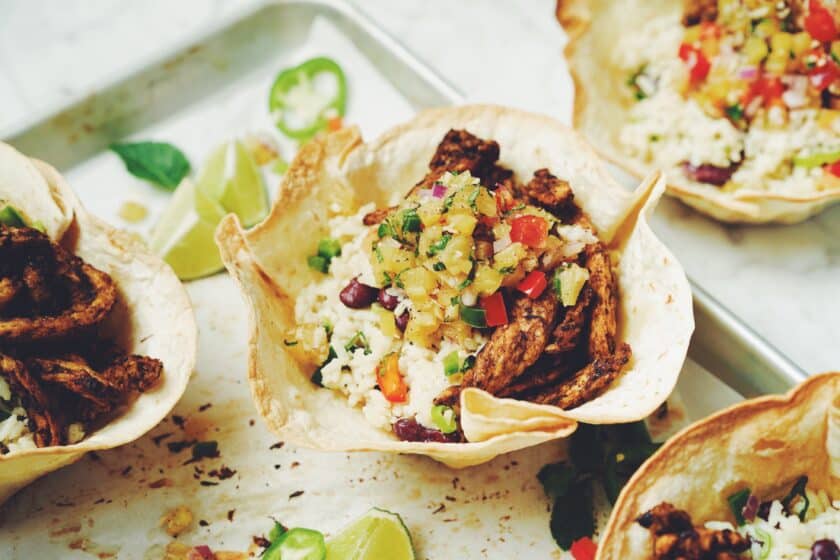
As more people seek sustainable, high-protein food options, textured soy protein (TSP) has become a popular choice in various food applications. Made using high-shear dry extrusion, TSP is versatile, nutritious, and mimics the texture of meat. However, TSP can vary widely in its application, production, and consumption worldwide. Let’s take a closer look at the versatility of TSP and its utilization in different regions.
Why Use TSP?
TSP provides a cost-effective, sustainable protein source that offers several advantages over traditional meat-based proteins:
- High Protein Content: TSP is an excellent source of high-quality protein, making it a valuable ingredient in meat alternatives and protein-enriched foods.
- Meat-Like Texture: Its fibrous structure mimics the texture of meat, making it an ideal substitute for vegetarian and vegan diets.
- Extended Shelf Life: TSP is a dry product that allows long-term storage and transport without refrigeration, reducing food waste and logistical challenges.
- Cost Savings: Compared to animal proteins, TSP provides a more affordable option without sacrificing nutritional value or taste.
- Sustainability: With fewer environmental resource requirements than animal protein production, TSP supports efforts to reduce greenhouse gas emissions and land use.
TSP in Global Food Markets
While there are several ways textured soy protein gets utilized around the world, some regions show particular trends of usage.
In the U.S. and Canada, the world’s largest TSP market, it’s a key ingredient in the growing plant-based food sector. Consumers seeking meat alternatives drive demand for foods like TSP-based burgers, sausages, and chicken products. Food manufacturers incorporate TSP to create high-protein, low-fat meat substitutes that appeal to health-conscious or diet-restricted consumers.
In South American countries with large amounts of soy production, like Brazil and Argentina, the local access to raw materials makes soy a cost-effective protein for processed foods. Additionally, like other areas of the world, TSP has been included in feeding programs to combat malnutrition, such as the Nutri Más program in Argentina, and other international organizations like the World Food Program.
Meanwhile, in Europe, consumers prioritize clean-label and sustainable food options. Manufacturers highlight their natural, non-GMO, and sustainable attributes to meet stringent regulations and consumer expectations.
Asia, home to large vegetarian populations, integrates TSP into traditional dishes like stir-fries, dumplings, and curries. Countries like India and China use TSP to enhance protein levels in everyday meals, offering cost-effective ways to improve nutrition without meat.
In the Middle East and Africa, TSP demand is small but continues to grow, driven by the rising need for affordable protein sources. However, due to less local production of soy, affordability is impacted by the costs of importing. TSP also plays a critical role in food security for some areas. With limited access to animal protein in some remote regions, TSP serves as an affordable protein source. Companies and NGOs, like WISHH or the World Food Program, incorporate TSP and other soy products into nutrition programs to combat protein deficiency and malnutrition across the continent.
Insta-Pro equipment allows precise control over texture and protein quality, ensuring consistency and superior performance in food applications. By leveraging our expertise, businesses can meet the growing demand for sustainable protein solutions. From organic, non-GMO plant-based alternatives in Europe to affordable nutrition in Africa, TSP continues to support diverse dietary needs around the globe. With Insta-Pro technology, food manufacturers can produce premium TSP to meet evolving consumer demands.
Interested in learning more about TSP production? Contact an Insta-Pro representative today!