
Processing Matters: Why High-Shear Dry Extrusion Stands Out
In commercial animal production, the primary goal is to enhance feed efficiency due to the significant and ongoing feed costs. That’s why providing the necessary nutrients to meet the animals’ needs is vital without surpassing them. This strategy involves understanding the specific processing methods of ingredients to boost their nutritional value for animal feed. For instance, soy meals are a key component in comprehensive diets, and assessing the feeding value of each soy meal based on digestible amino acids can present an opportunity for cost savings through precise diet formulation.
We have highlighted that not all extruders/mechanical pressing systems or other soybean processing methods, such as toasting after solvent extraction, dry extrusion, wet extrusion, roasting, and autoclaving, are the same, because as not all processes add equal nutritional value to soy meal. As a result, formulating animal diets with the correct values derived from digestibility studies is a precision-based strategy to maximize nutrient utilization, minimize nutrient excretion, and improve animal performance.
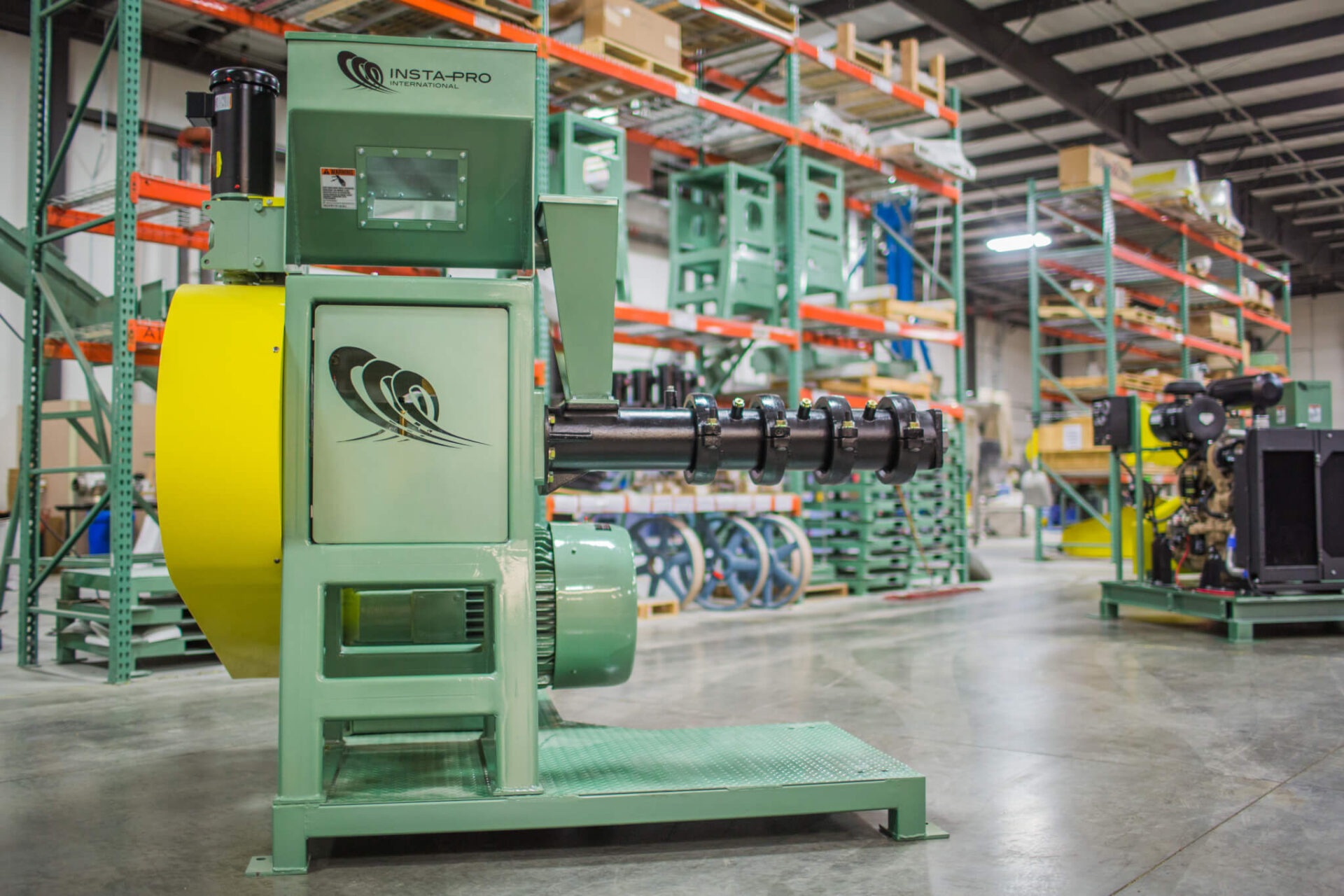
Indeed, ingredient quality depends on the proper processing parameters, including processing temperature, which is a determinant of nutritional quality. Accordingly, when referring to high-shear dry extruded full-fat soy (EFFS) or extruded & mechanically pressed soy meal (ExPress®), make sure that you know the processing technology and if it was processed following the standardized parameters that guarantee the unique nutritional value of those soy meal sources. That point is crucial when making comparisons between mechanically processed soy meals or when comparing mechanical processes vs. other methods.
Usually, specific differences in nutritional quality are noticeable according to the method utilized to process soybeans. For example, looking at this study comparing roasting to create roasted full-fat soy (RFFS) vs. high-shear dry extrusion, birds fed EFFS had higher energy utilization than those fed RFFS. Furthermore, birds fed high-shear dry extruded full-fat soy had greater digestibility of lysine (87.1 vs. 78.1%) and methionine (93.5 vs. 90.3%) compared to RFFS.
Ultimately, maximizing animal performance starts with understanding both the nutritional profile of feed ingredients and how they are processed. Processing methods like high-shear dry extrusion, when properly controlled, consistently produce higher-quality ingredients with greater digestible nutrient availability. Using these proven, consistently processed ingredients allows nutritionists to formulate more precise, efficient diets that improve performance while helping control feed costs.